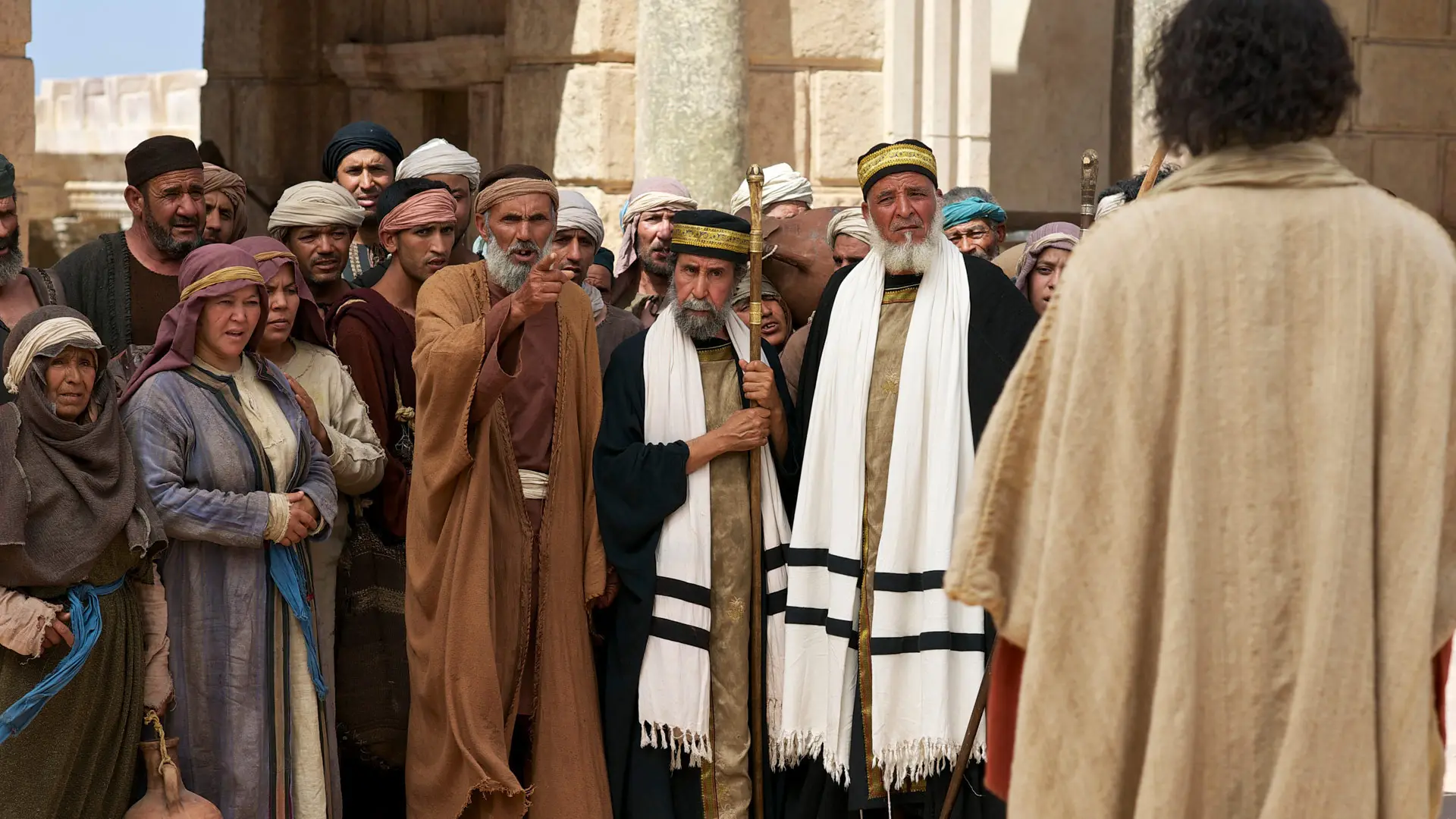
(Image Courtesy of Lumo Project Films – www.lumoproject.com)
By Pastor Lubinda Kapuyi
Six days you shall labor, and do all your work, but the seventh day is a Sabbath to the LORD your God. On it you shall not do any work, you, or your son, or your daughter, your male servant, or your female servant, or your livestock, or the sojourner who is within your gates. For in six days the LORD made heaven and earth, the sea, and all that is in them, and rested on the seventh day. Therefore, the LORD blessed the Sabbath day and made it holy (The Holy Bible: ESV, Ex 20:9–11).
According to the Zondervan Illustrated Bible Dictionary, “The Sabbath was the Hebrew weekly day of REST and WORSHIP, which was observed on the seventh day of the week, beginning at sundown on Friday and ending at sundown on Saturday. It was instituted at CREATION: ‘By the seventh day God had finished the work he had been doing; so, on the seventh day He rested from all his work. And God blessed the seventh day and made it holy, because on it he rested from all the work of creating that he had done” (Genesis 2:2-3) (Zondervan Illustrated Bible Dictionary, 1257-1259).
In the book of Exodus:
- God had to establish the Sabbath in the minds of the Israelites by providing them with a double supply of the MANNA on the sixth day of the week, so that the seventh day of the week might be kept as a day of rest from labor (Exodus 16:23).
- When giving the Ten Commandments, the fourth commandment had to do with the observance of the seventh day as a holy day on which no work should be done, and this included strangers or visitors and animals, where to desist from all work and to keep the day holy.
In the book of Leviticus (an Old Testament Manual for Worship):
It was part of worshipping God to consider the seventh day as a solemn day of rest, a holy convocation, where no work was to be done in the dwelling places of Israel (Leviticus 23:3).
In the book of Deuteronomy (a farewell speech of Moses):
Moses, in preparing the young generation of Israelites to enter the promised land, reminded them of God’s command concerning the Sabbath. No work was to be done, either by parents or children, servants, animals, or even visitors. This was to be done in honor of God who delivered them from slavery in Egypt (Deuteronomy 5:12-15).
The Zondervan Illustrated Bible Dictionary explains that “After the time of Moses, the Sabbath is mentioned sometimes in connection with the festival of the new moon (2 Kings 4:23; Isaiah 1:13; Ezekiel 46:3). The prophets always exalted the Sabbath and found fault with the Israelites for the perfunctory observance of it. They confessed Israel’s sin in profaning the Sabbath (Isaiah 56:2, 4; 58:13; Jeremiah 17:21-27; Ezekiel 20:12-24)” (Zondervan Illustrated Bible Dictionary, 1257-1259).
In honoring the sanctity of the Sabbath:
- Two lambs were offered on this day, in addition to the regular burnt offering (Numbers 28:9-10).
- Twelve loaves of showbread were also presented on the Sabbath (Leviticus 24:5-9; 1 Chronicles 9:32).
- A willful Sabbath breaker was put to death (Numbers 15:32-36).
- Israelites were not permitted to light a fire in their homes on the Sabbath.
- Psalm 92 was composed for the Sabbath day with the intention of expressing delight in the worship and works of the Lord.
- In the Persian period, Nehemiah rebuked and took strong measures against those who disregarded the law of the Sabbath by doing business on it (Nehemiah 10:31; 13:15-22).
- Apart from just being a day of rest, the Sabbath was upgraded to being a day for worship and the study of the law. This upgrade came as Synagogues developed during the Exile.
- At the beginning of the Maccabean war, Jewish soldiers would even allow themselves to be massacred rather than profane the Sabbath by fighting, even in self-defense.
(Zondervan Illustrated Bible Dictionary, 1257-1259).
The Sabbath truly had a rich religious, social, and cultural history associated with it. It was not just a day to observe for the Jews, but a part of their culture and lives, and to deny it was not just a breaking of God’s law, but a denial of who they were as a people.
Jesus and the Sabbath
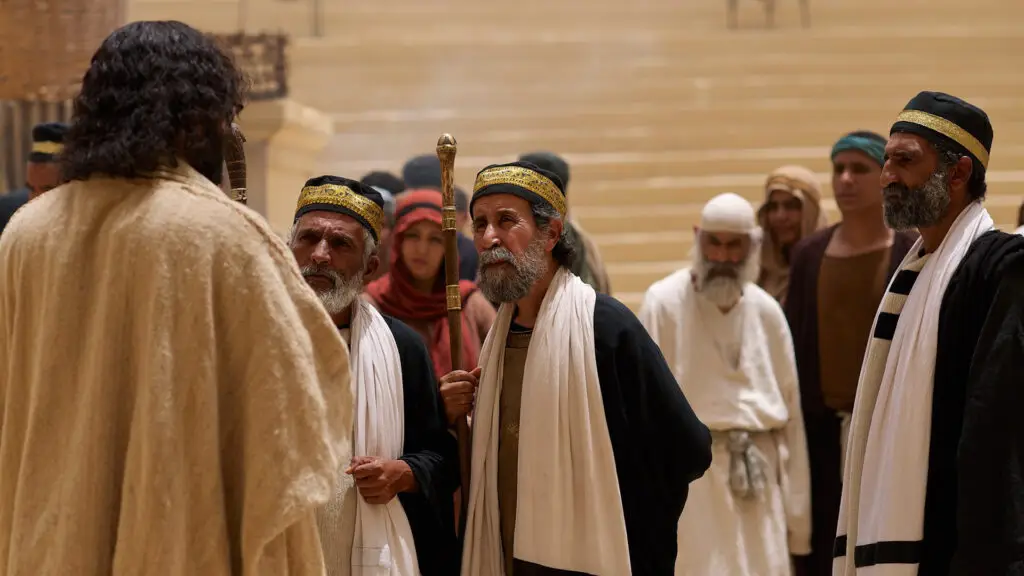
(Image Courtesy of Lumo Project Films – www.lumoproject.com)
It was customary for Jesus to attend the Synagogue every Saturday to worship (Luke 4:16). He himself emphasized that he didn’t come to abolish the Law of the Prophets but to fulfill them (Matthew 5:17). One thing to pay attention to is that by the times of Jesus Christ, “The Sabbath became the heart of the law, and the prohibitions were expanded. Thirty-nine tasks were banned, such as typing or untying a knot. These in turn were extended until ingenious evasions were devised that lost the spirit but satisfied the legal requirement” (Holman Illustrated Bible Dictionary, 1426). It is about these adjustments to the Sabbath that Jesus would often disagree with the Pharisees. In the perception of the Pharisees and most of the Jews, Jesus was not a man of God but a breaker of the Sabbath (John 5:18; 9:16).
The Early Church and The Sabbath
When the church was born on the day of Pentecost (Acts 2), most of the members of the church were Jews, and they continued to keep the Sabbath.
- Saul had asked for letters to the synagogues at Damascus so that if he found any belonging to the Way, men or women, he might bring them bound to Jerusalem (Acts 9:2). This shows that the early Christians continued to worship in the synagogues on the Sabbath.
- When they came to Antioch in Pisidia, Paul and his companions went to attend a worship service at the Synagogue, and Paul was allowed to preach (Acts 13:13-15).
- It was Paul’s custom to attend the worship services at the synagogue on the Sabbath (Acts 17:2).
In honoring the first day of the week (Sunday), as a day of the Resurrection of our Lord and Savior Jesus Christ, the disciples soon began to meet for worship, also on the first day of the week, and it was designated as “The Lord’s Day.” As the early church continued to worship, they eventually considered Sunday the proper day for Christian worship.
- Jesus resurrected early on the first day of the week (Sunday), and he appeared first to Mary Magdalene, from whom he had cast out seven demons (Mark 16:9).
- On the first day of the week (Sunday), Paul was preaching in a worship service (Acts 20:7).
- Paul encouraged the Corinthian believers (who were meeting on Sundays) that on the first day of every week, each of them was to put something aside and store it up so that the collection for the saints could be made ready for the other believers who needed help (1 Corinthians 16:2).
- When John started receiving the Revelations from God in the Spirit, it was on the Lord’s Day, Sunday (Revelation 1:10).
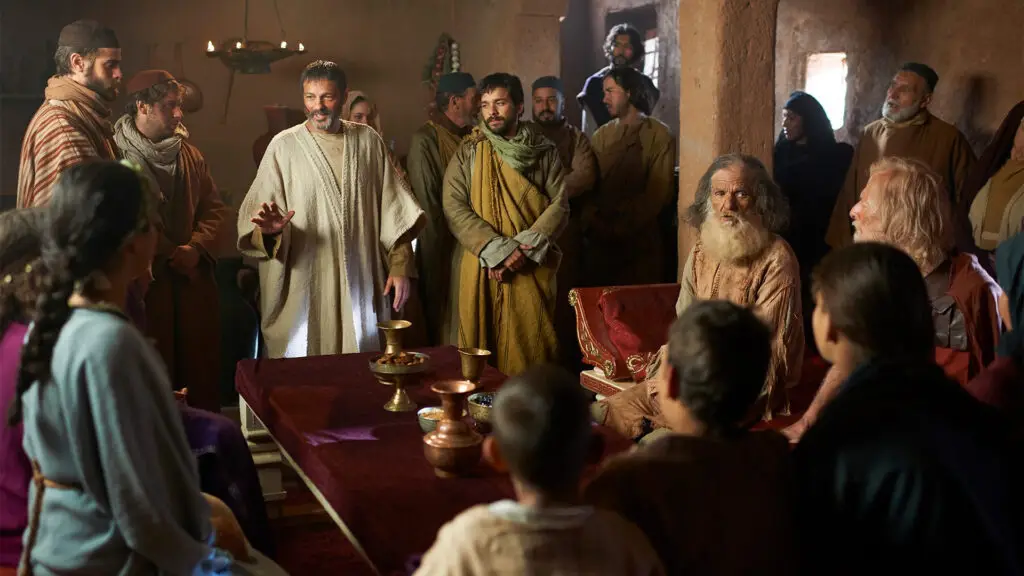
(Image Courtesy of Lumo Project Films – www.lumoproject.com)
CONCLUSION
Concerning the question on whether believers should worship God on Saturday or Sunday, or whether Sunday worship should be viewed as fulfilling the Sabbath commandment. I don’t see the necessity of Christians being divided on questions about food and drink or concerning a festival or a new moon or a Sabbath or Sunday (Colossians 2:16). The right place to worship God is not on the mountain or in Jerusalem, nor on Saturday nor Sunday,
“But the hour is coming, and is now here, when the true worshipers will worship the Father in spirit and truth, for the Father is seeking such people to worship Him. God is spirit, and those who worship Him must worship in spirit and truth” (John 4:20-24).
Let me know what you think about the Sabbath in the comments below.
Blessings!


Pingback: A PASTORAL COMMENTARY ON THE GOSPEL OF LUKE - CHAPTER 6 - Pastor Lubinda Kapuyi